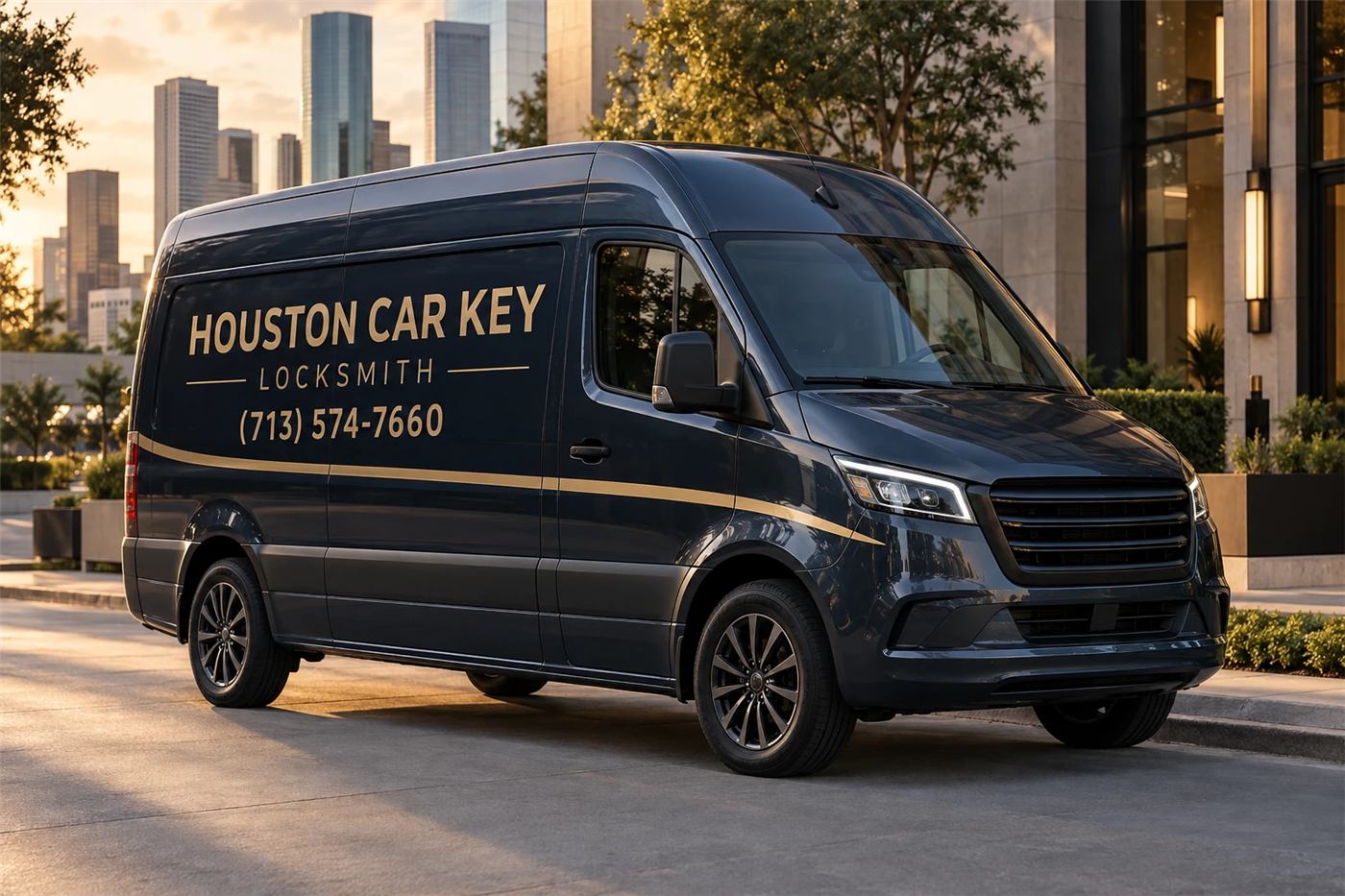
Living and playing by the water
Lake Houston lies in the northeast part of the metro area, and the communities around it, including parts of Humble, Atascocita, Huffman and Kingwood, are shaped by it. Many neighborhoods sit close to the shoreline or to the San Jacinto River. Residents boat, fish, walk the trails, visit parks and send children to the pool. Weekends and holidays bring visitors from across the region to the water.
That lifestyle puts car keys in unusual places. A key goes into a swim bag, a cooler, a tackle box, a pocket of shorts that then go into a pool. A fob falls off a boat dock, slides under a seat in a launch truck, or ends up in a picnic basket. The water is not only a lake: it is also sprinklers, rain, spilled drinks and creek crossings.
The sections below describe the common key problems around the lake, the safe first steps for a wet or lost key, how a technician works at a boat ramp or in a driveway, and what to have ready when you call. We do not publish any lock-bypass method, and nothing here replaces advice from someone who can see your vehicle.
A wet key fob: what is happening inside
A key fob is a small electronic device. Inside the case is a circuit board, a battery and a chip. Water can short the circuit, corrode the contacts and drain the battery. Even a short dunk can start damage that appears days later. The buttons may stop responding, the car may no longer recognize the fob, or the fob may work only some of the time.
If your fob gets wet, take the battery out as soon as you can, if the case opens without force. Dry the fob with a soft cloth and let it sit in a dry, warm, ventilated place for a long period. Do not use a hair dryer, an oven or a microwave, because heat can warp the case and harm the board. Do not press buttons while it is wet.
After a thorough dry out, try a fresh battery. If the fob works, it is a good idea to make a spare while it does. If it does not work, the fob may need replacement. Our page on key fob water damage covers the symptoms, and key fob battery replacement explains the battery step.
- Remove the battery promptly if the case opens easily.
- Dry with a soft cloth and let air do the rest.
- Avoid hair dryers, ovens and microwaves.
- Do not press buttons while the fob is wet.
- Try a fresh battery only after the fob is fully dry.
Keys that fall into the lake
A key that falls into open water is a harder case. If it drops from a dock or a boat, the chance of finding it depends on the depth, the bottom and the current. Do not put yourself at risk to look for a key. Swimming near docks, boat traffic and a lake bottom is dangerous, and a key is never worth an injury.
If the key is gone, treat it as lost. Check whether a spare exists at home, and if not, plan for a replacement. Because the old key may be in the water, some owners want it deactivated in the vehicle's memory. A technician can discuss that on the phone, since the options depend on the vehicle.
If the key went into the water with your wallet or phone, you may have lost your identification as well. Tell us at the start of the call. We still need to confirm the vehicle is yours, and we can explain what other proof can help, such as registration photos stored in a cloud account, an insurance card or contact with the registered owner.
Boat ramps and launch day parking
Boat ramps and launch areas have their own parking patterns. Trucks with trailers fill long rows, and drivers leave vehicles for hours. A person who launches a boat may hand the truck key to a friend, put it in a life vest or leave it in the console, and then forget it. When the boat comes back and the group is tired and wet, a missing key is a real problem.
Tell the technician where you are, including the name of the ramp or park, the lot section and any gate. Boat ramp areas can be crowded, and a van may need a place to stop that does not block the ramp or the trailer lane. Trailers add complexity: a truck hitched to a trailer is hard to move, so we will need to work where it stands.
If you are far from help, safety comes first. Stay with your group, keep children and pets in the shade and out of the sun, and do not leave anyone alone in a hot vehicle. See our page on truck and box truck keys for larger vehicles, and our guide on RV and trailer keys for towable units.
Heat on the water and in the lot
Summer around the lake is hot and humid. A vehicle left in a sunny lot becomes very hot inside, and a key fob left on a dashboard or in a cup holder can become too hot to hold. High heat can weaken the battery and warp the case. If your fob acts oddly after a day in the sun, let it cool and try again.
Heat is also dangerous for people and animals left in a closed vehicle. If a child or a pet is locked in a hot car, call 911 immediately. Do not wait for a locksmith. Emergency responders can act faster and are trained for exactly this situation.
If you are locked out in the heat and everyone is outside the car, move to shade, drink water and call. Describe the situation, and we will say what is realistic. Read more in summer heat and car keys.
Waterfront homes and driveways
Away from the ramps, most calls from the area come from homes: driveways in newer subdivisions, long driveways on larger lots and quiet streets near the water. Mobile service is straightforward in these settings. The technician parks near the vehicle and works at the driver door.
Homes near water often have high humidity around the garage and the car. Moisture, damp air and the occasional storm all take a toll on locks and keys. A door lock that sticks or an ignition that feels rough can be a sign of moisture and corrosion. See corroded locks and humidity for what happens inside.
If your household has a boat, a trailer and more than one truck, keep track of every key. Boat owners tend to carry a ring of keys for the truck, the trailer lock, the boat and the storage unit. A heavy ring in the ignition wears the cylinder over time. Separate the vehicle key from the rest when you can.
After a storm or high water
This area is no stranger to heavy rain, rising water and storm seasons. If your vehicle has stood in floodwater, do not try to start it. Water in the engine, the fuel system or the electronics can cause serious damage that is made worse by cranking. Have the vehicle inspected by a qualified shop before any attempt to run it.
Keys from a flooded vehicle can fail in odd ways. A fob stored in a cup holder or console may have been under water. The immobilizer system may have electrical faults that look like a key problem but are not. A technician can help tell the difference, but cannot repair a flooded vehicle's electronics.
For planning, our guides on hurricane season key prep and flood damaged vehicle keys explain what to do before and after a storm. See also key lost in flood for the case where a key is lost in moving water.
Which key do you have? Why it matters after water
A simple metal key with no electronics is unaffected by a swim, other than rust. A transponder key has a chip that is sealed in plastic and is usually more resistant to water than a fob, but the plastic head can crack. A smart key with a battery and a circuit board is the most vulnerable to damage.
If you drive a vehicle with a smart key, a second fob is especially valuable, because a lost or drowned fob can be expensive and slow to replace. Our guide on transponder keys versus smart keys explains the differences, and smart key replacement covers the service.
If you do not know your key type, describe what you see and how the car starts. A technician can often tell from the make, model and year. Having those ready makes the call quick.
Proof of ownership and what to bring
Before any key is made, a technician must confirm that the vehicle is yours or that you have permission. Have your photo identification and a registration, title or insurance card showing the vehicle. If your wallet went into the water or was left on the boat, a photo of your registration on a phone or in a cloud account can help.
If the truck belongs to a friend, a relative or a business, the owner may need to confirm by phone. If the vehicle is leased or financed, the lender may be the legal owner and may have rules about who can authorize a key. Tell us at the start of the call.
Read more in proof of ownership for keys. The more documents you can show, the faster the visit goes.
- Photo identification, if available.
- Registration, title or insurance card showing the vehicle.
- The vehicle identification number from the dashboard or the driver door jamb.
- Make, model and year, and any information on previous keys.
- Exact location, such as the ramp name, lot section or street address.
Parks, trails and pool days
Not every wet key comes from a boat. The parks and trails around the lake draw walkers, cyclists and families, and community pools in the surrounding subdivisions are busy all summer. A key tucked into a swimsuit pocket, a towel or a pool bag is easy to lose among lounge chairs and snack tables.
If you lose a key at a pool or a park, check the lounge chairs, the towel pile, the changing area and the snack counter. Ask the staff or the neighborhood association about found items. Look in the pockets of any shorts or jackets you wore earlier. Check the car as well, since some people set the key in a cup holder and lock the door out of habit.
Cyclists and runners often carry a fob in a small waist pouch or a shoe pocket. Sweat and rain can soak these places. A fob exposed to repeated sweat can corrode, and the buttons begin to stick. Keep the fob in a small zipped pouch, and replace the battery now and then. If the key is missing and you have no spare, tell us the make, model and year when you call.
Getting everyone home safely first
After a long day on the water, people are tired, sunburned and dehydrated. A key problem at the end of that day is not the time to push on. Get everyone into shade, give children water and food, and make sure no one is alone in a hot vehicle.
If the key cannot be found and the vehicle cannot be opened, consider a ride home for the group and schedule the key work for a time that is comfortable. A tired group at a boat ramp is not an ideal setting for careful work, and rushing leads to mistakes.
If your boat and trailer must stay where they are, check the rules of the ramp or the park for overnight parking. We cannot interpret local rules for you, so read the posted signs or contact the park office. Take a photo of the vehicle and its location. Then call and tell us what happened.
Quotes, service call charges and the phone call
We give quotes only by phone. The cost depends on the key type, the vehicle, whether a working key remains and where you are, so a printed number would not be honest. When you call, we ask for the make, model and year, the key type and a description of the problem. You hear the quote before anyone is dispatched.
Simple jobs can be quoted over the phone. Complicated jobs may need an on-site visit first. There is a service call charge for the technician to travel to you, and it is explained before dispatch. Because the lake area can be a long drive from other parts of the metro, location is part of the conversation.
We do not promise arrival windows or availability at every hour, and we say what is realistic for your address. Our guide on how quotes work for key jobs explains why it is done this way.
Habits for a water-loving household
A few habits protect keys around the water. Use a floating key ring or a waterproof pouch when you are on a boat or near a pool. Do not wear your key in a pocket that goes into the water. Leave the fob in a dry bag in a cooler or a locked glove box instead. Keep a spare at home, away from the vehicle.
Replace a weak fob battery early, since a weak battery makes a fob more likely to fail after a splash. Check the case for cracks, which let moisture in. A fob with a split seam is easy to fix before it fails and hard to fix after.
If a key problem happens anyway, call and describe it. We will ask a few questions, give a quote by phone and explain the next step. Whether you are at a driveway near the shore or a ramp at the end of a long day, the process is the same: we come to the vehicle, confirm ownership, prepare the key and program it.
Questions people ask
My fob fell in the water. Can it be saved?
Sometimes. Remove the battery if the case opens easily, dry the fob with a soft cloth and leave it in a warm, dry, ventilated spot for a long period. Do not use a hair dryer or oven. Then try a fresh battery. If it still fails, the fob may need replacement. Make a spare if it works.
Can a technician come to a boat ramp?
In general yes, because the work happens at the vehicle. Tell us the ramp or park name, the lot section and whether a trailer is attached. A trailer limits how the truck can be moved, and ramp lots can be crowded. We do not promise arrival times, but we will say what is realistic.
My key sank in the lake. What should I do?
Do not risk your safety looking for it. Treat the key as lost, check for a spare at home and call to discuss a replacement. If you worry about someone finding the old key, a technician can talk through options on the phone. Have your registration and identification details ready.
My truck was in floodwater. Should I start it?
No. Do not try to start a vehicle that has stood in water, because cranking can cause serious engine and electrical damage. Have it inspected by a qualified shop first. Key trouble after flooding may come from damaged electronics, not the key itself, and a technician can help sort out which.
My child is locked in a hot car. What do I do?
Call 911 immediately. Do not wait for a locksmith. Emergency responders are trained to act fast, and Houston heat can build inside a closed vehicle very quickly. Stay near the car and keep the dispatcher on the line. Call us afterward if you need a key or a lock checked.
How do I get a quote for a key near Lake Houston?
Call and describe the vehicle, the key type and your location. Quotes are given only by phone, and a service call charge is explained before dispatch. A complicated job may need an on-site visit before a final quote. Have the make, model, year and registration details ready to speed up the call.
Describe the situation by phone and we will tell you what the job involves. Quotes are given by phone. Jobs that cannot be quoted without seeing them need a technician on site, and the service call charge is explained on the phone before anyone is dispatched.
(713) 574-7660Related pages
Written by Claude (AI) (AI) for Houston Car Key Locksmith.